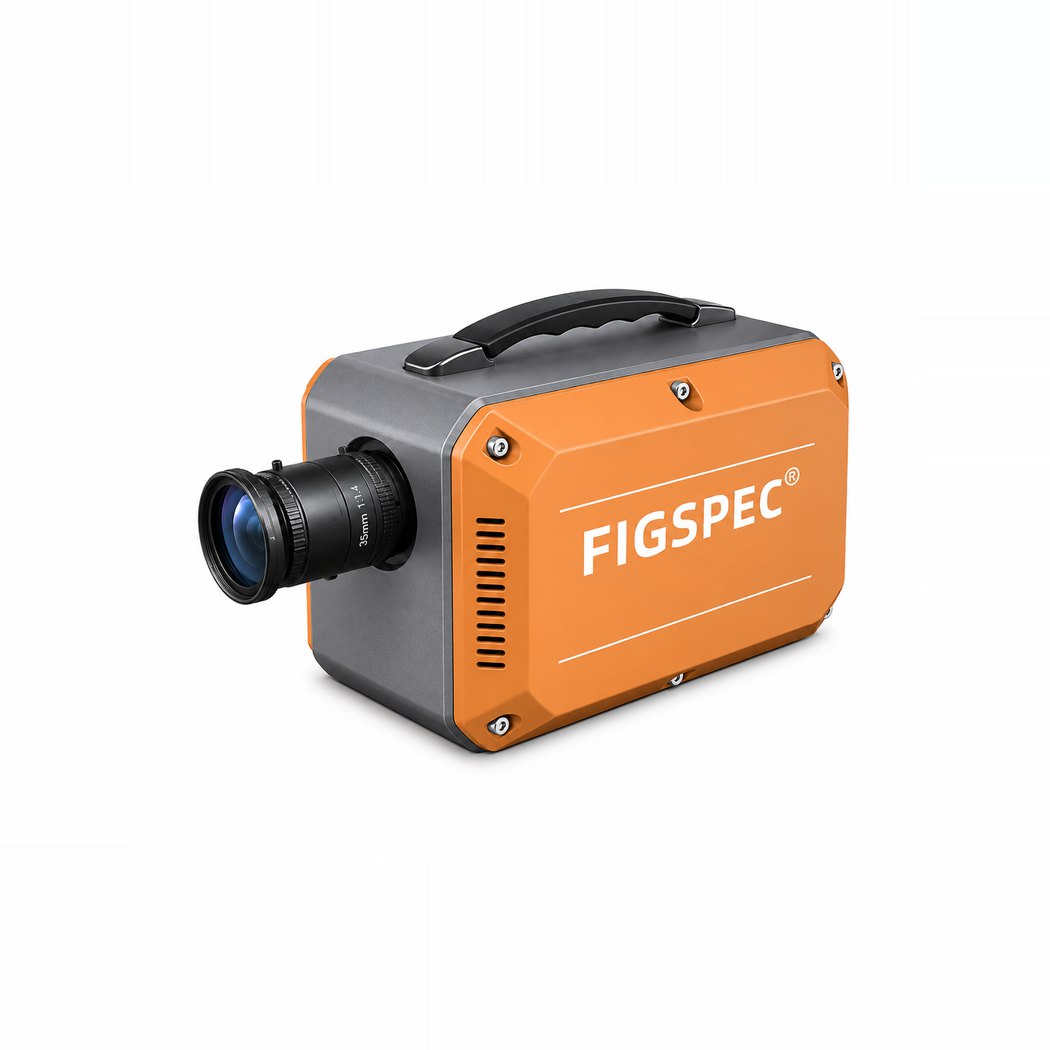
FigSpec FS-SIF-1A
Line-scan SIF camera 660–790 nm: chlorophyll fluorescence in the field
- 660–790 nm
- 0.3 nm
- 1200
Price on request
Details
660–790 nm
The plant's own chlorophyll glow instead of reflected light: 0.5–2 % of incident radiation, 0.3 nm resolution and three formats — a line scanner, a tower and a UAV.
Sun-induced fluorescence (SIF) is not reflected light but the glow chlorophyll emits during photosynthesis. The signal is weak and sits between atmospheric absorption lines in the 660–790 nm range, so it takes a fraction-of-a-nanometre resolution and a signal-to-noise ratio of about 600:1. SIF gives gross primary production and the carbon balance of a stand, and shows stress before symptoms appear.
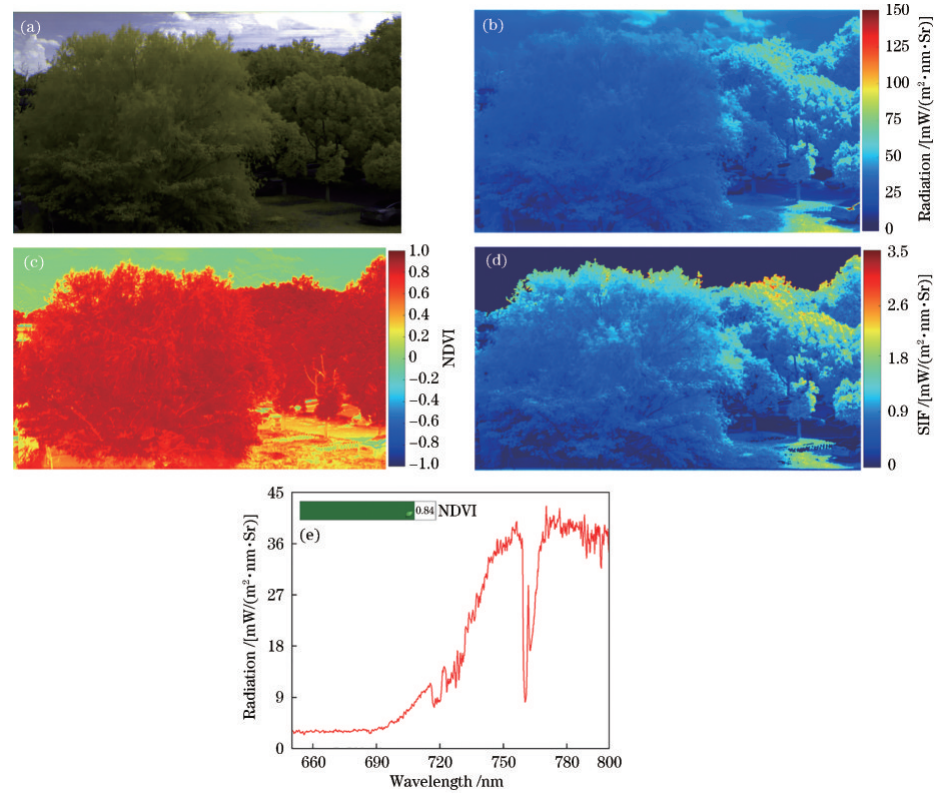
Formats
The optics are the same in all three: 660–790 nm, 1200 channels, 0.3 nm, 600:1 signal-to-noise. What differs is how the camera moves relative to the plant — and the task it solves: walk a plot, watch one site for months, or map a whole field in a single flight.
Line-scan SIF camera 660–790 nm: chlorophyll fluorescence in the field
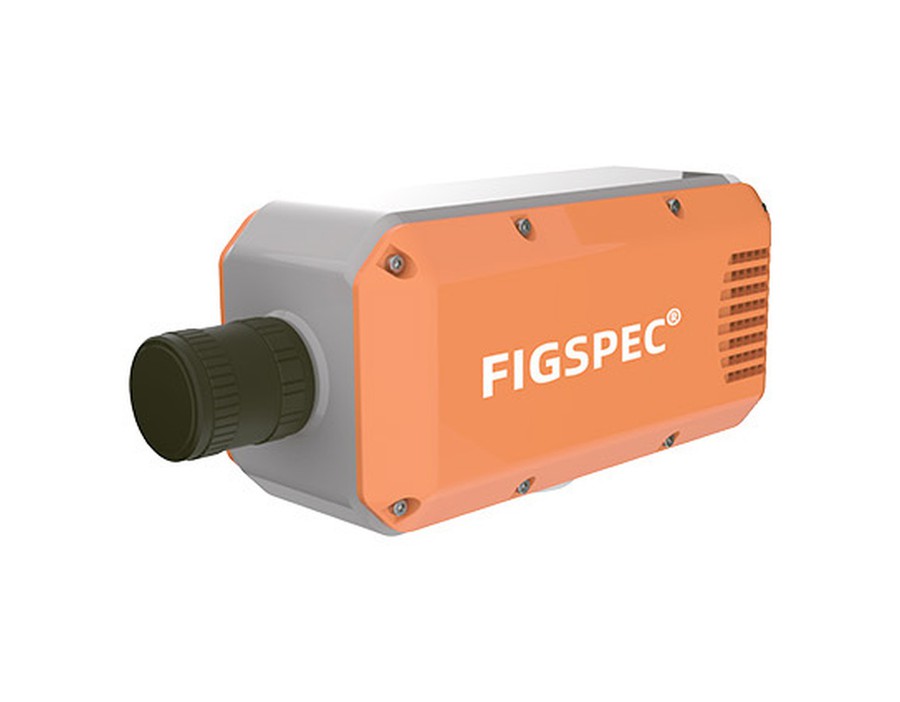
Stationary SIF camera for towers and fixed-point observation
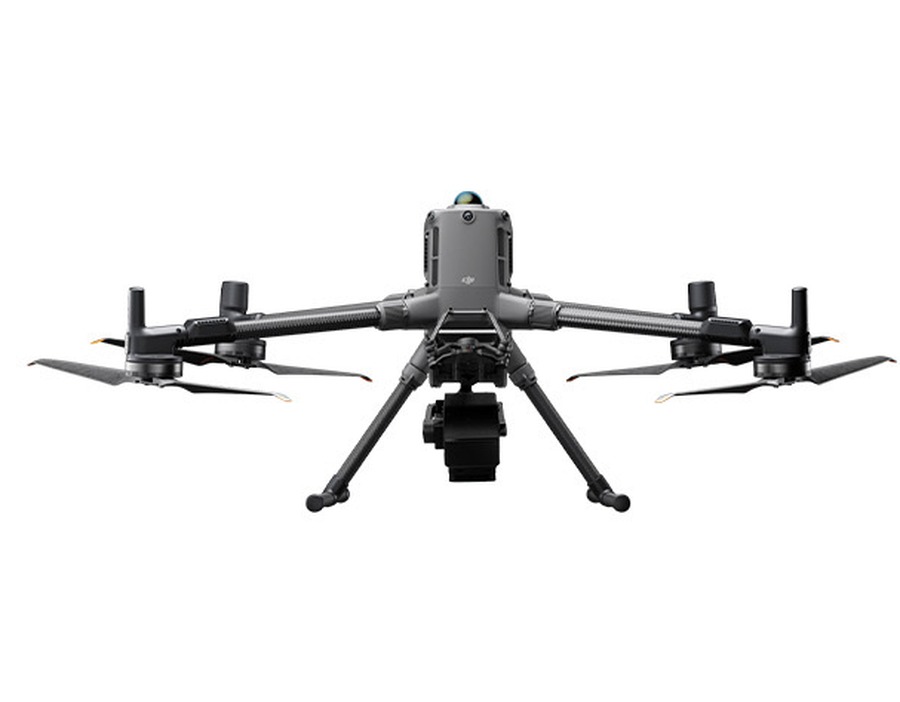
SIF system on board DJI M400: a canopy fluorescence map per field
Nothing found.
Request
We clarify the object, spectral range, carrier and required result — and propose a kit with pricing.