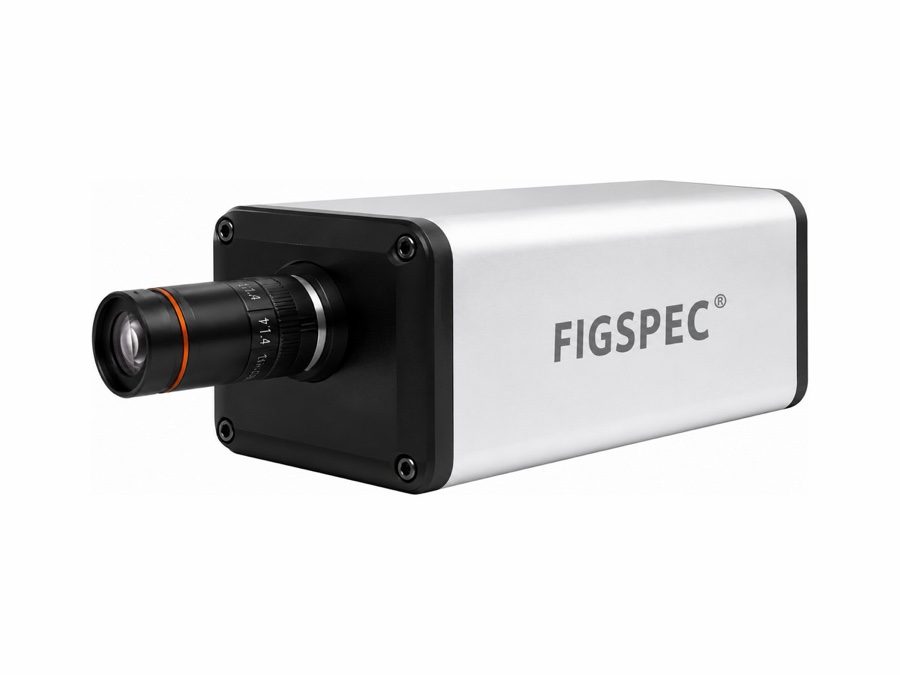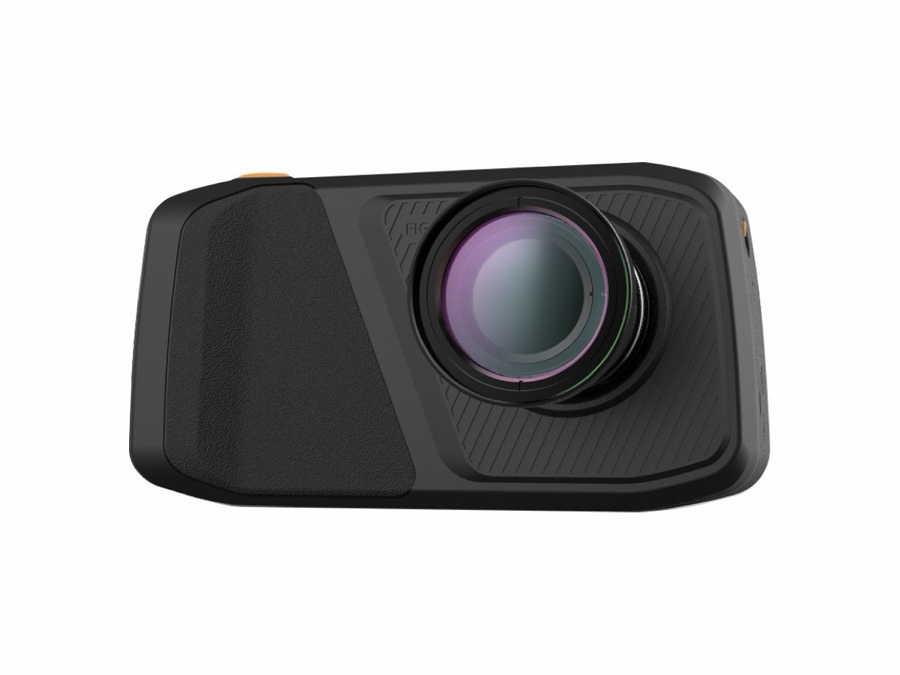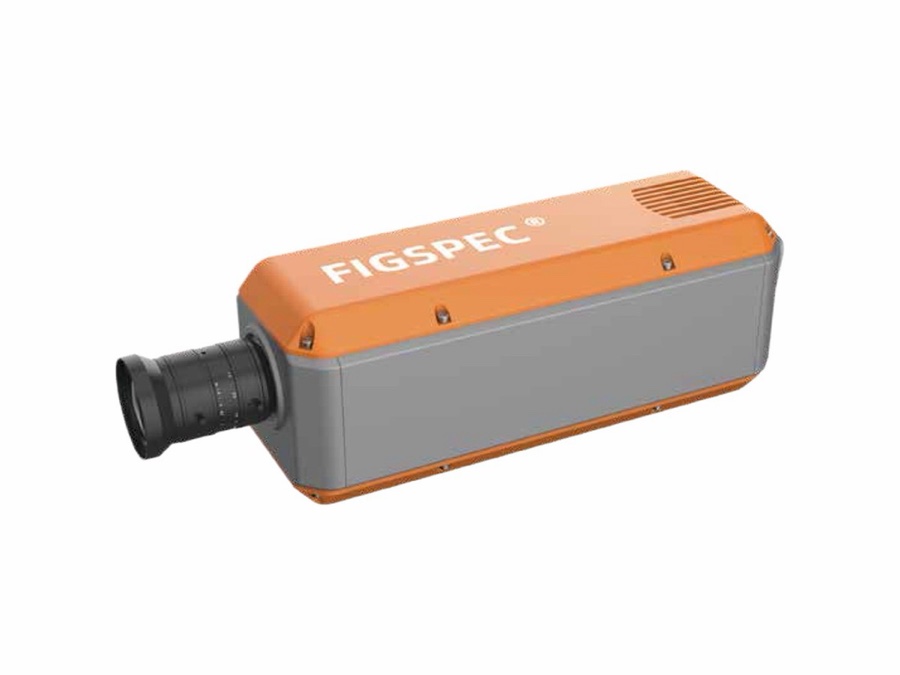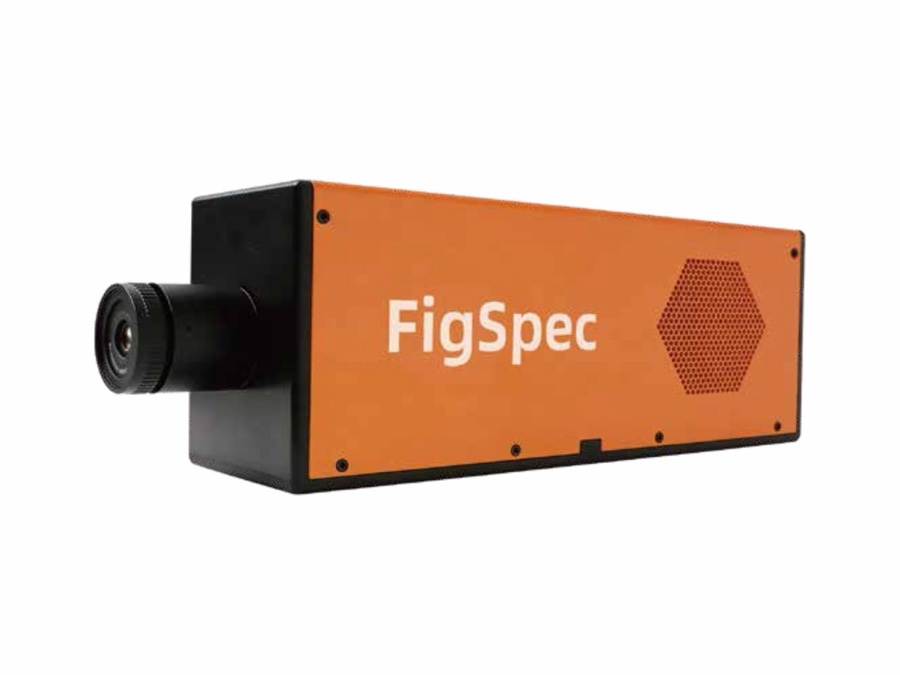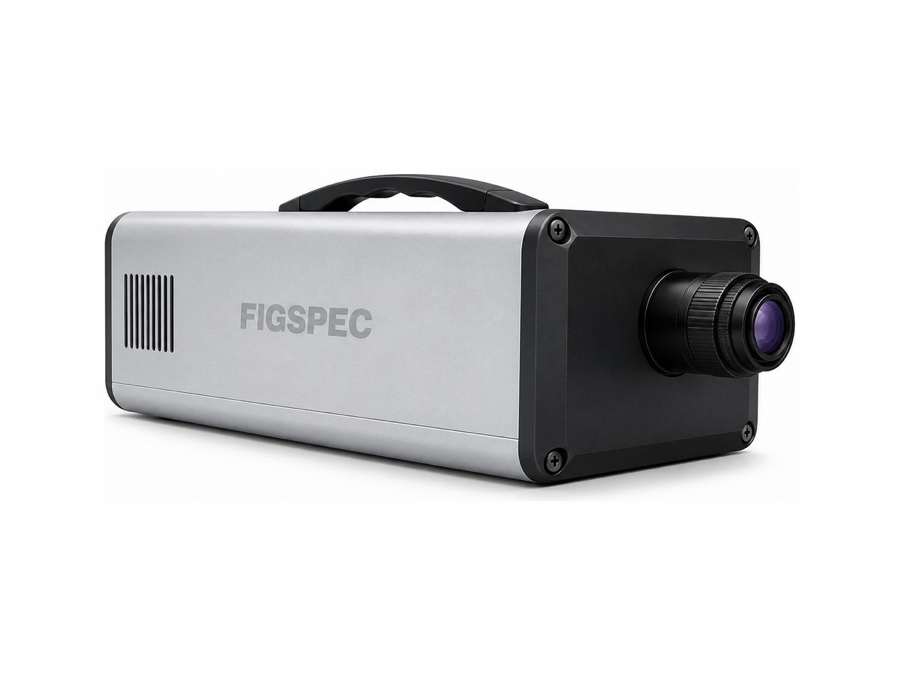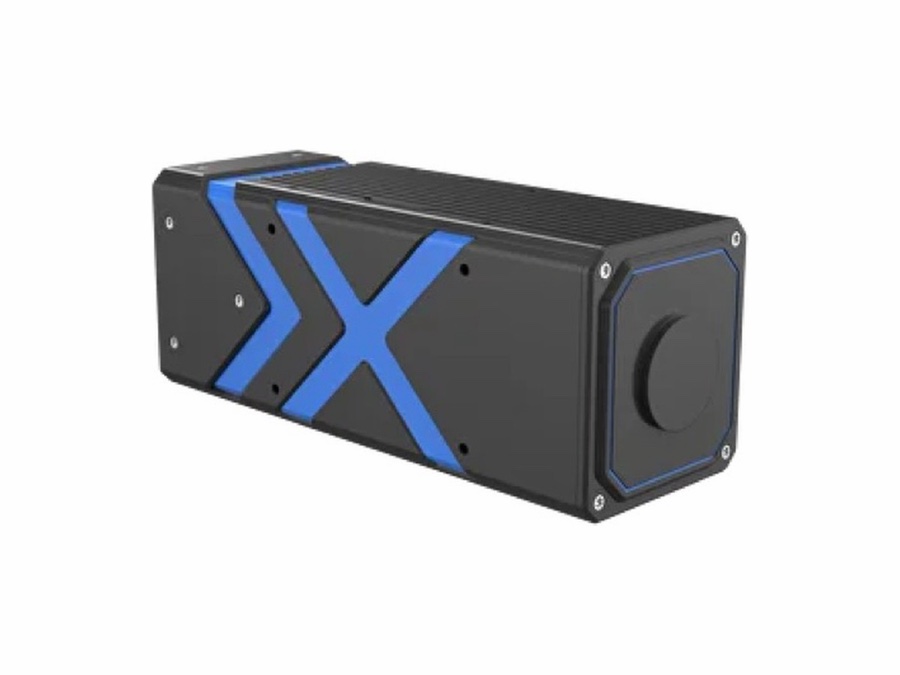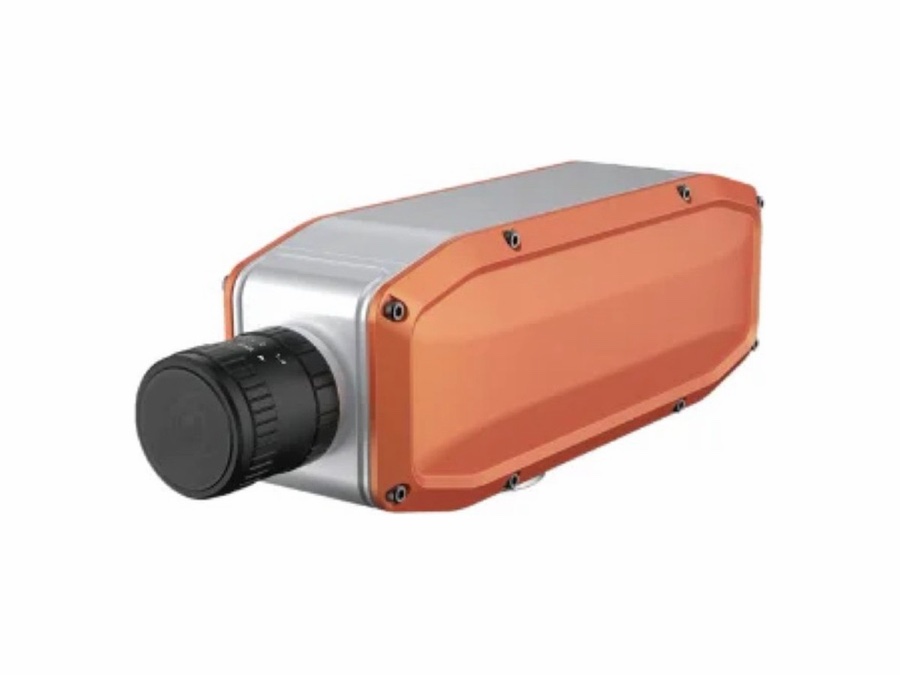
FigSpec FS-1X
Hyperspectral cameras 400–2500 nm: FWHM 2.5 nm, up to 4096 spatial pixels
- 400–2500 nm
- 2.5 nm
- up to 4096
Price on request
Details
400–2500 nm
Hundreds of narrow spectral bands per pixel: early disease detection, water and nitrogen status, leaf biochemistry.
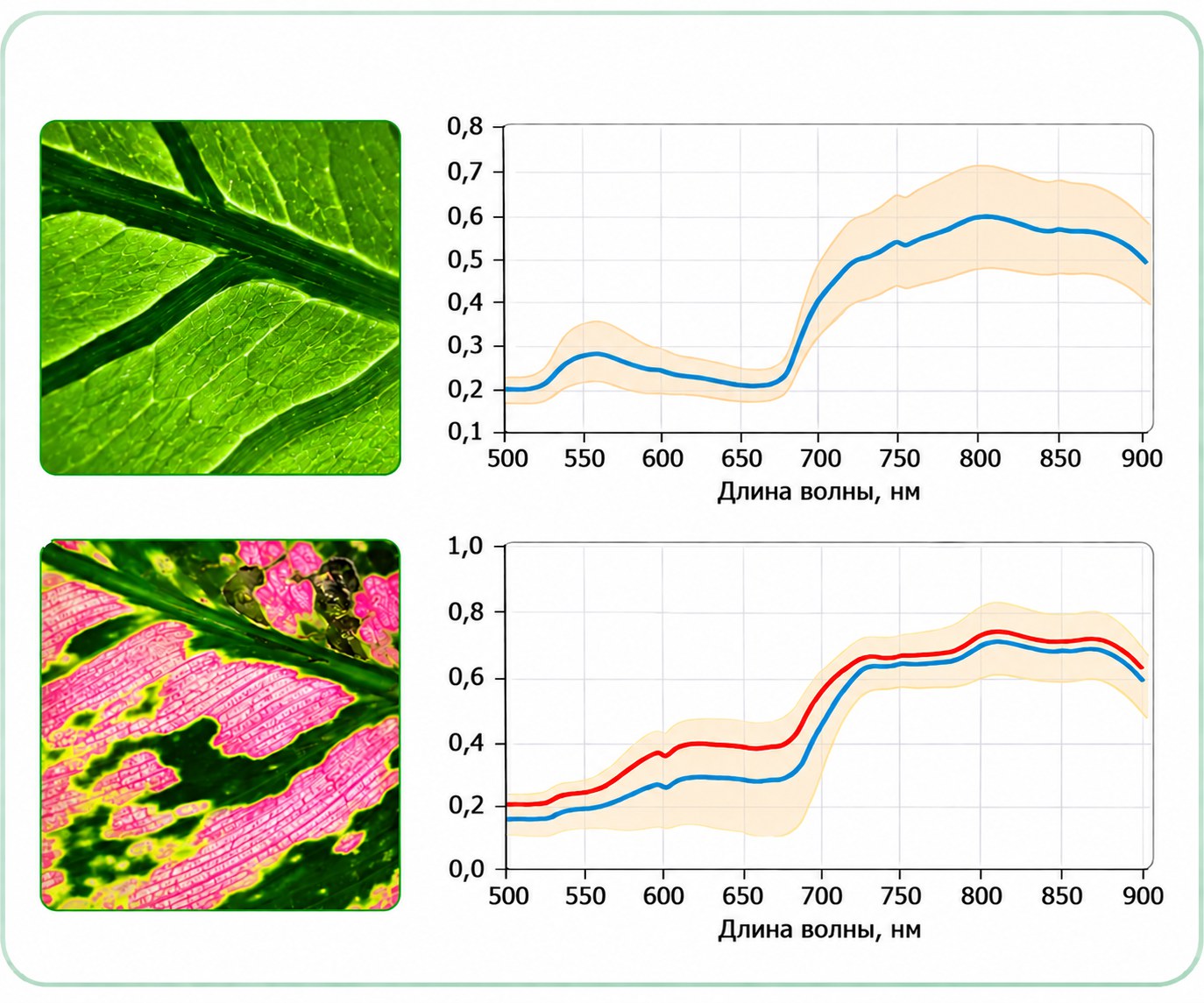
Hyperspectral cameras record reflectance in hundreds of narrow bands. In the VNIR range (400–1000 nm) chlorophyll, carotenoids, anthocyanins and mesophyll structure are visible; in the SWIR range (1000–2500 nm) — water, proteins and other organic compounds. This makes it possible to find stress and infection before visible symptoms appear.
Hyperspectral cameras 400–2500 nm: FWHM 2.5 nm, up to 4096 spatial pixels
Hyperspectral cameras with built-in scanning: 10 models, a cube in a single pass
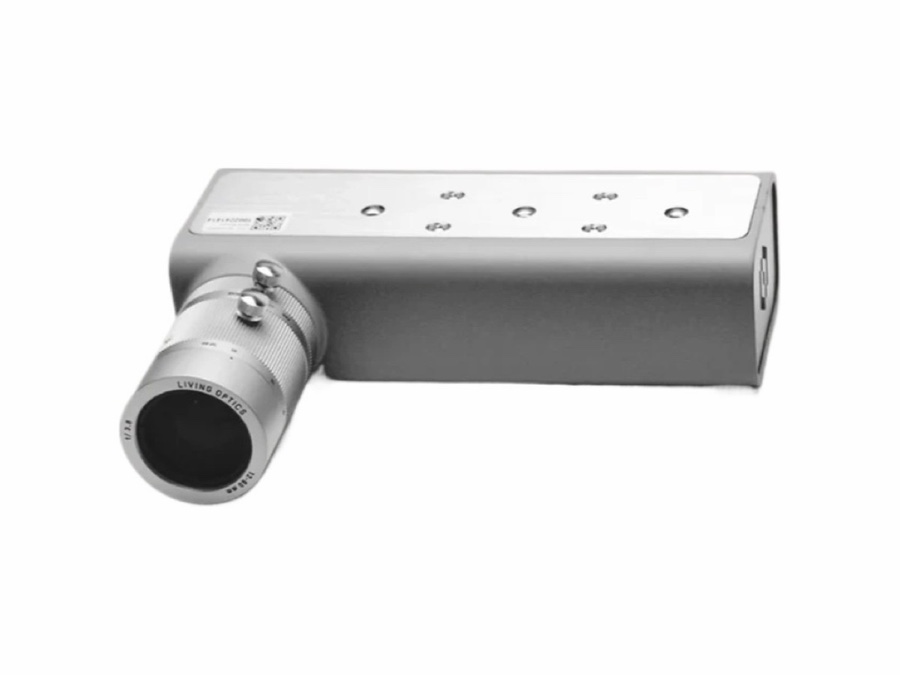
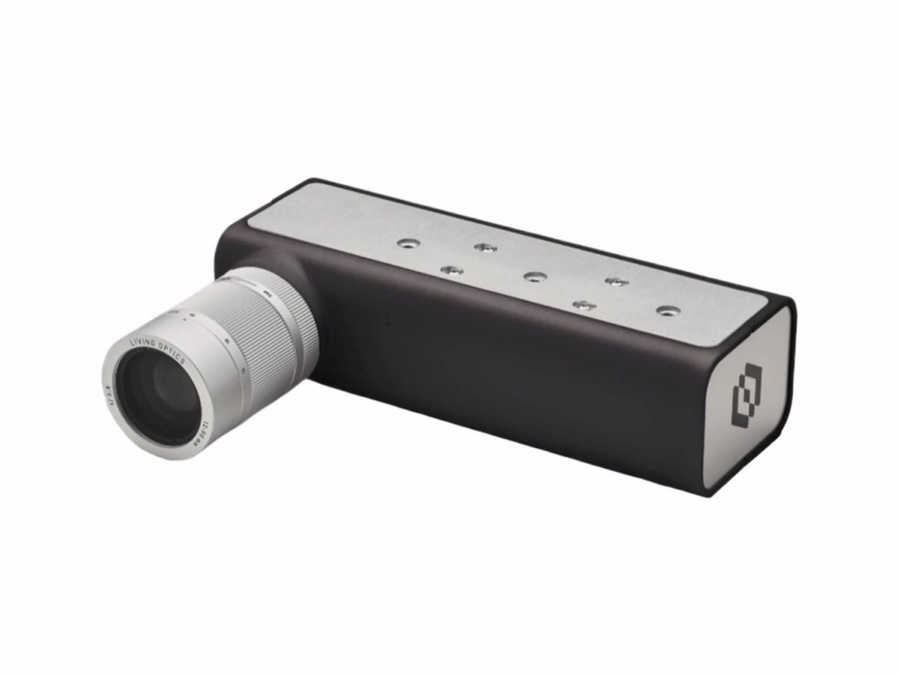
Portable hyperspectrometer with internal scanning: a cube in one pass
High-speed SWIR cameras 900–1700 nm: up to 2400 fps, 8 models
Hyperspectral camera 900–2500 nm with MCT detector
Full-range camera 900–2500 nm with built-in scanning
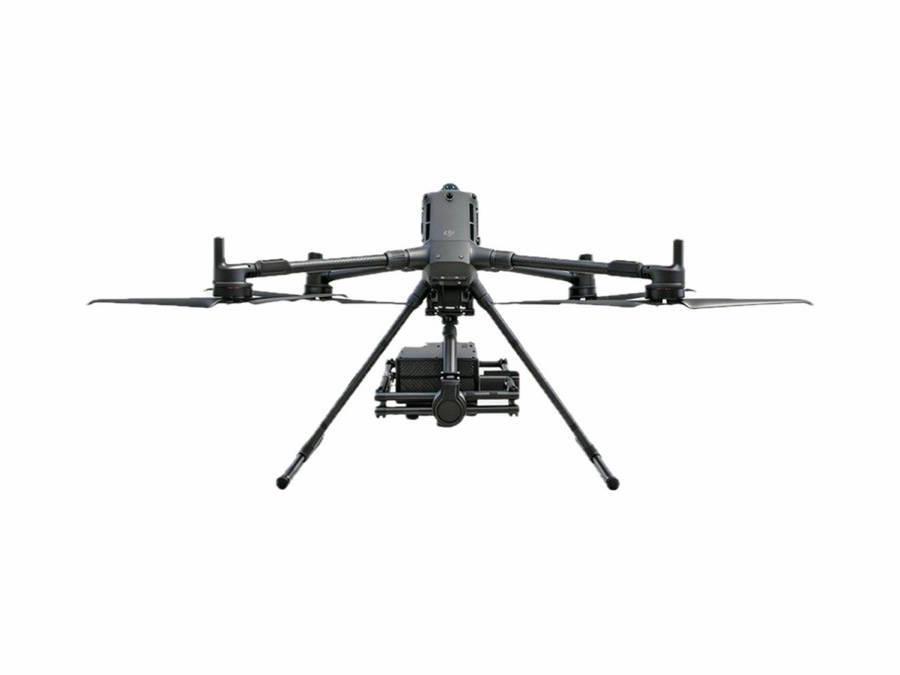
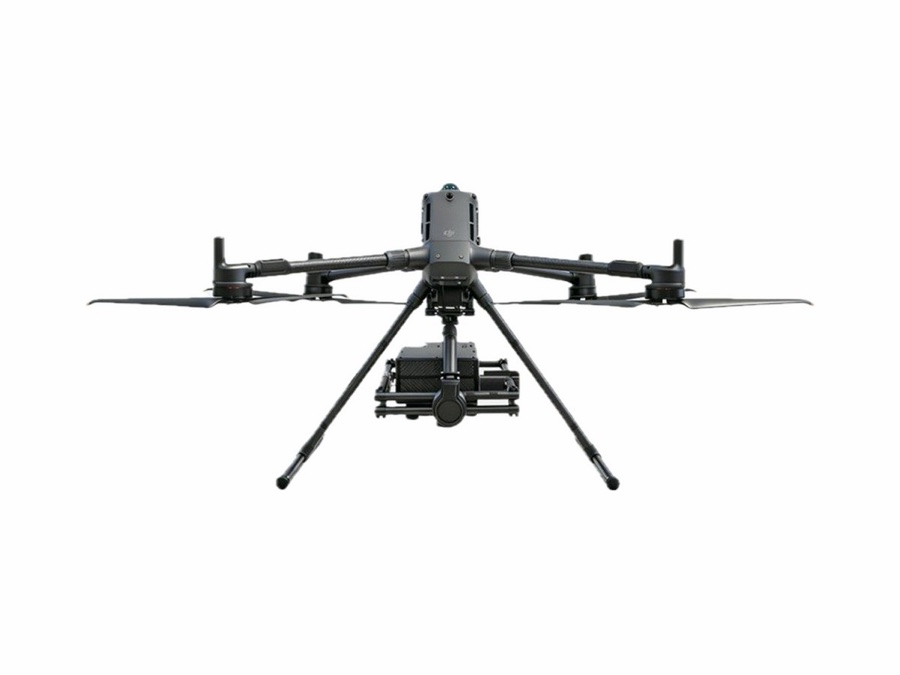
Hyperspectral system 400–1000 nm for platforms and UAVs
Airborne SWIR camera 900–1700 nm: 1024 bands, 70 fps
Airborne hyperspectral systems up to 2500 nm: 680 bands, cooled MCT
SWIR camera 900–2500 nm with cooled MCT detector
Two sensors in one housing: 400–2500 nm, more than 1450 bands
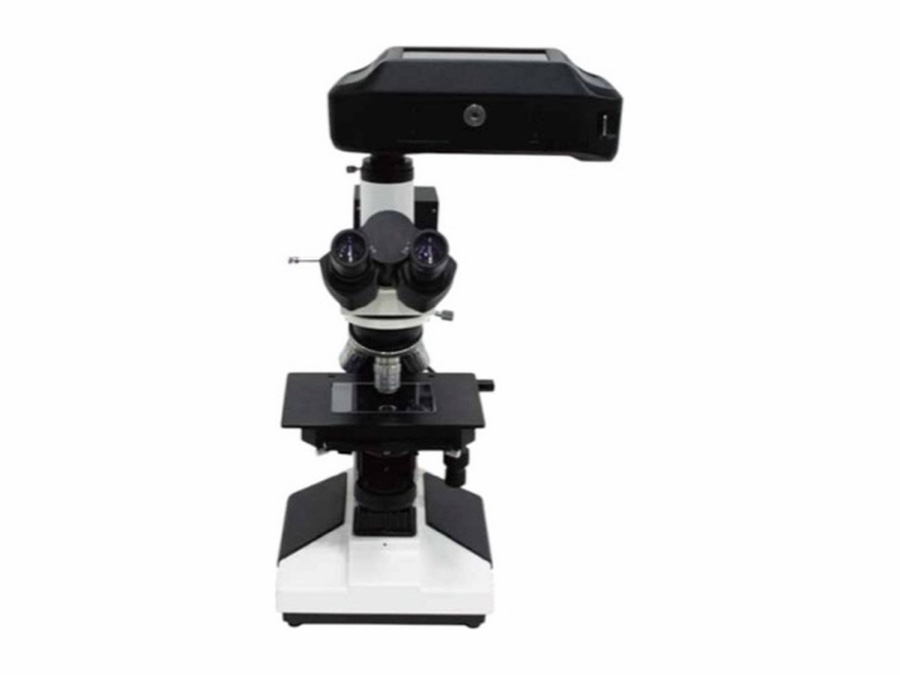
Hyperspectral microscope attachment: a cube in 5 seconds
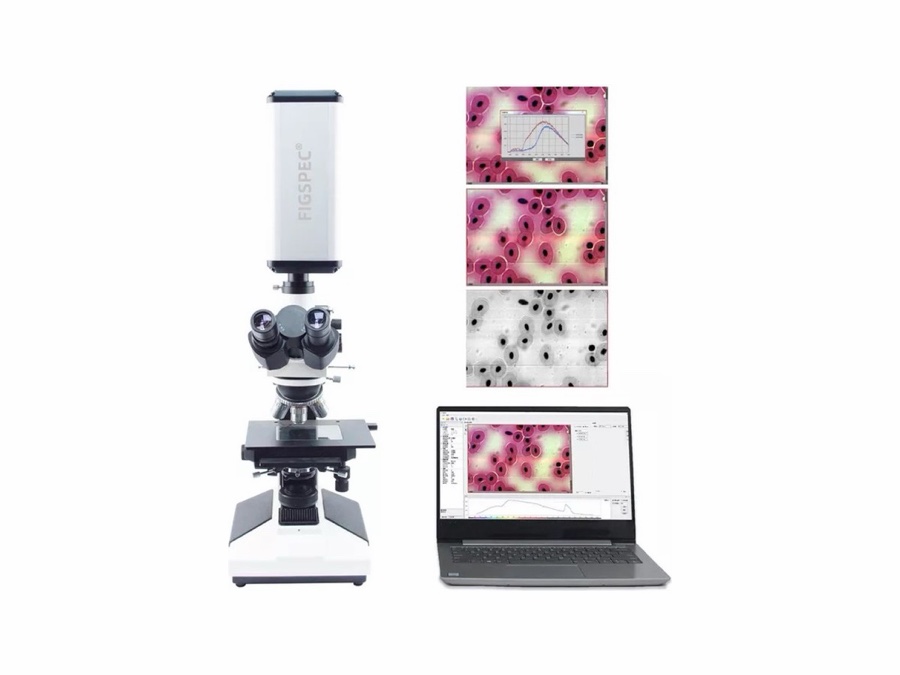
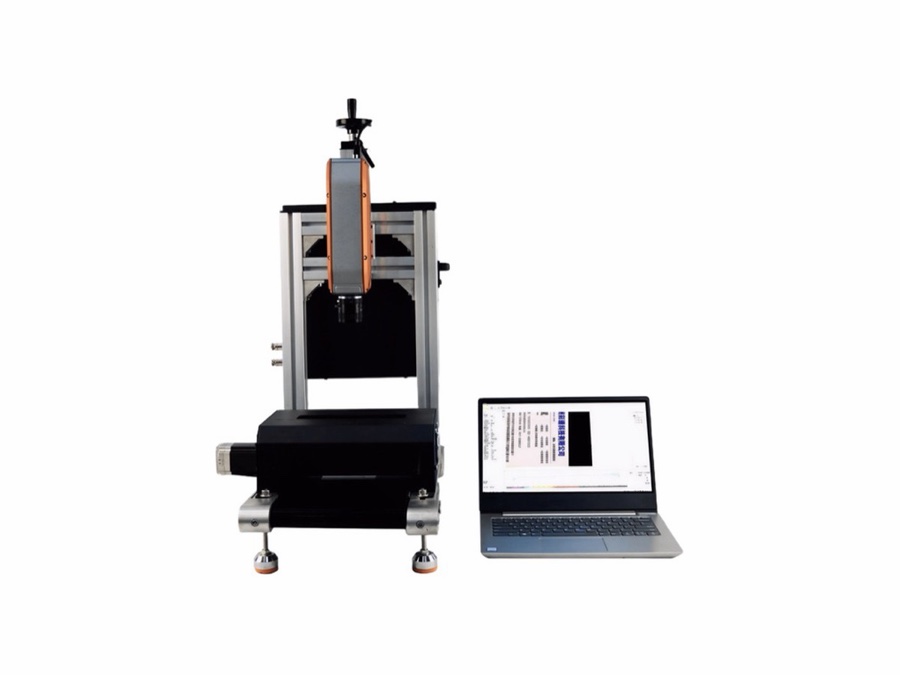
Ready laboratory system: microscope, hyperspectrometer, software and methodology
Test bench with line scanning and stable lighting
UV hyperspectral camera 250–490 nm: 2 nm resolution, 1280 × 1024
Video hyperspectral 440–900 nm: 96 bands, 30 fps, Jetson compute unit
The same 96-band hyperspectral camera with USB-C connection
Nothing found.
Request
We clarify the object, spectral range, carrier and required result — and propose a kit with pricing.